"Okura (sake breweries)" festa was held in Chiba prefecture. Though the venue is around 2 hours away from Tokyo, there were amazingly many people at the place. Festival staffs provided a small sake cup to each one and we could taste many kinds of sake at 2 breweries.
Since many of them tasted so good that we bought three bottles of sake at Terada Honke (one of the sake brewries). Especially I like the one which tastes like sweet white wine!
酒蔵巡り
今日は千葉の下総神崎で行われたお蔵フェスタに行ってきました。会場までは東京から2時間ほどかかりますが、驚いたことに、とても多くの人がいました。(新宿から特別列車やバスも出ていました)お蔵につくと、一人一人にお猪口が配られ、お酒の試飲ができました。
試飲をしてとても美味しかったので、寺田本家さんで3本もお酒を買ってしまいました。私は白ワインのような味がするお酒が特に好きです。
2013年3月27日水曜日
Making Miso
Last weekend we made miso at my house.
1.Soaking soybeans in water for 12 hours
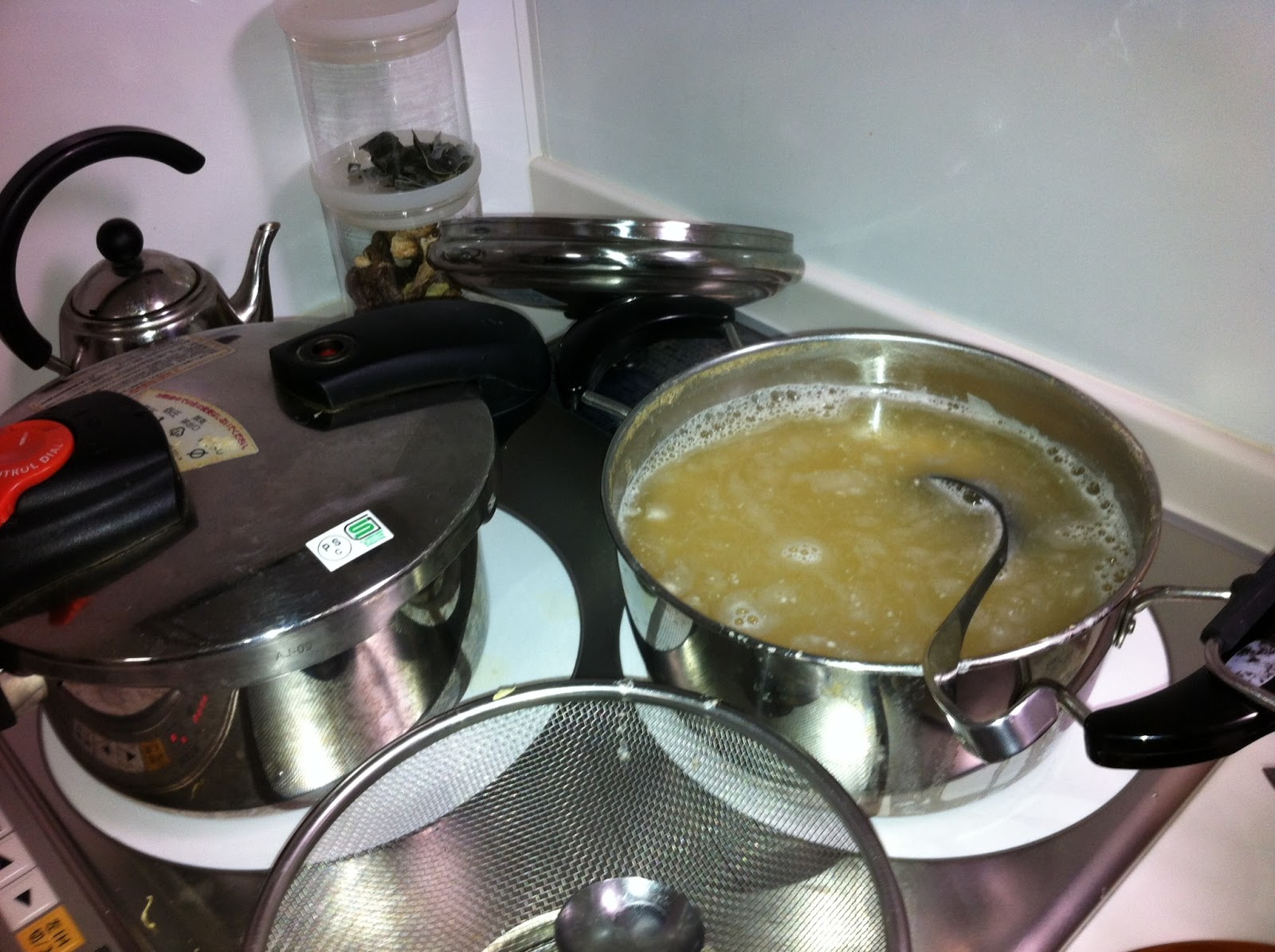
2.Boiling soybeans for 3 hours
4.Putting them into a bin (In order to punch out the air, we threw the balls of soybeans and molt rice into the bin, which is fun :D)
AND...
5.Let them ferment for half a year to one year in clod and dark place
It takes long long time to make miso. I look forward to eating it a year later.
==IN JAPANESE ==
先週末に味噌を作りました。
①12時間豆を水に浸す
②豆を3時間にる
③豆をつぶして、塩と麹と混ぜる
④みそ種を瓶壷に入れる(空気を抜くために、みそ種を丸めて瓶壷に投げ入れます。←結構楽しい!)
そして、、
⑤半年から1年冷暗所で発酵させる
味噌を作るのには本当に長い時間がかかります(汗)
手間がかかる分、1年後が本当に楽しみです☆
3.mushing soybeans and mixing with fermenting rice and salt
AND...
5.Let them ferment for half a year to one year in clod and dark place
It takes long long time to make miso. I look forward to eating it a year later.
==IN JAPANESE ==
先週末に味噌を作りました。
①12時間豆を水に浸す
②豆を3時間にる
③豆をつぶして、塩と麹と混ぜる
④みそ種を瓶壷に入れる(空気を抜くために、みそ種を丸めて瓶壷に投げ入れます。←結構楽しい!)
そして、、
⑤半年から1年冷暗所で発酵させる
味噌を作るのには本当に長い時間がかかります(汗)
手間がかかる分、1年後が本当に楽しみです☆
2013年2月4日月曜日
Dorayaki (どら焼き)
As you can see, Dorayaki is a type of Japanese confection. "Dora" menas gong in Japanese because of the similarity of the shape.
It is said that the first dorayaki was made when a samurai named Benkei fried pancake in order to thank a private home whose people was kind enough to give him medical treatment.
どら焼き
どら焼きの名前の由来ってご存知ですか?
実は、銅鑼(どら:楽器の一つです)に形が似ているからだそうで
初めて作られたのは、弁慶が治療を施してくれたの民家に感謝して
和菓子の由来を調べると面白いですね♪
2013年2月3日日曜日
Bean throwing (Mamemaki:豆まき)
3rd of Feb, called Setsubun is the day before the beginning of spring according to the lunisolar calendar. On the evening of this day, people throw beans and shout "Demons out! Good luck in!" in order to drive the demons out of their homes.
豆まき
今日は節分です。豆まきはされましたでしょうか?
ところで、節分の意味はご存知ですか?
本来は、立春・立夏、立秋、立冬の前日のことをいいますが、
春を迎えるということは新年を迎えるにも等しいぐらい大切な節目だったため、
節分といえば立春の前日だけをさすようになったようです。
春の訪れは昔から本当に大切にされていたのですね!
大切な節目、豆をままいて邪気を払い、よい新春を迎えていきましょう♪
豆まき
今日は節分です。豆まきはされましたでしょうか?
ところで、節分の意味はご存知ですか?
本来は、立春・立夏、立秋、立冬の前日のことをいいますが、
春を迎えるということは新年を迎えるにも等しいぐらい大切な節目だったため、
節分といえば立春の前日だけをさすようになったようです。
春の訪れは昔から本当に大切にされていたのですね!
大切な節目、豆をままいて邪気を払い、よい新春を迎えていきましょう♪
2013年2月2日土曜日
"Itadakimasu" - What Japanese say before eating
Do you know that Japanese say "Itadakimasu" before having meals?
"Itadakimasu" could be translated as "Let's eat!", however, there are deeper meaning.
"Itadakimasu" literally means "I will take something" and it originally came from a sentence, meaning "I am going to eat the life of living things for my own life."
Now "Itadakimasu" is said with the sense of respect to the food and the gratitude to the person who prepared.
I like this culture a lot. :)
「いただきます」という言葉は、
「私の命のために動植物の命を頂きます」から来ているそうです。
ある料理教室で先生が、
「食べ物に心から感謝をして、食べ物との関係をよく保っていけば、一生食べていく事には困らない」
なるほどな〜と思いました^^
食べものに感謝することは、基本的でとても大切なことなのですね。
「いただきます」と言う習慣は素敵な日本の食文化の一つだと思います☆
心を込めて言う習慣を毎日続けていきたいですね!
Do you know that Japanese say "Itadakimasu" before having meals?
"Itadakimasu" could be translated as "Let's eat!", however, there are deeper meaning.
"Itadakimasu" literally means "I will take something" and it originally came from a sentence, meaning "I am going to eat the life of living things for my own life."
Now "Itadakimasu" is said with the sense of respect to the food and the gratitude to the person who prepared.
I like this culture a lot. :)
「いただきます」という言葉は、
「私の命のために動植物の命を頂きます」から来ているそうです。
ある料理教室で先生が、
「食べ物に心から感謝をして、食べ物との関係をよく保っていけば、一生食べていく事には困らない」
なるほどな〜と思いました^^
食べものに感謝することは、基本的でとても大切なことなのですね。
「いただきます」と言う習慣は素敵な日本の食文化の一つだと思います☆
心を込めて言う習慣を毎日続けていきたいですね!
Bubu zuke (Chazuke:rice with green tea)
Bubu zuke is a word used in Kyoto and means Chazuke (rice with tea poured over it), however, it is said that it has another way of using. If a hostess recommend a guest to have a bowl of "Bubu zuke", she implies "please leave soon". Though it is an extreme example, this custom in Kyoto illustrates well how Japanese communicate with each other.
ぶぶ漬け(茶漬け)
ぶぶ漬けは京都で使われる言葉で、お茶漬けのことだそう です。京都では、もし家の人が「ぶぶ漬けでも食べはりま すか?」 と来客に言うと、「そろそろ帰ってください」ということ を暗に言っていることだそうです。これは極端な例ですが 、このような京都の習慣は日本人のコミュニケーションの 仕方をよく表していますね ^^;
Bubu zuke is a word used in Kyoto and means Chazuke (rice with tea poured over it), however, it is said that it has another way of using. If a hostess recommend a guest to have a bowl of "Bubu zuke", she implies "please leave soon". Though it is an extreme example, this custom in Kyoto illustrates well how Japanese communicate with each other.
ぶぶ漬け(茶漬け)
ぶぶ漬けは京都で使われる言葉で、お茶漬けのことだそう
登録:
投稿 (Atom)